In the world of foreign exchange trading, Forex brokerages play a pivotal role in facilitating transactions between traders and the global currency market. However, amidst the potential for substantial profits, these brokerages face a multitude of risks that can impact their stability and success. Recognizing and managing these forex risks is essential for maintaining a competitive edge and ensuring the longevity of the business. In this article, we delve into the various types of forex risks faced by brokerages, shedding light on the strategies and best practices to mitigate their potential negative impacts.
Market Risk
At the core of FX brokerages lies exposure to market risk, the inherent unpredictability of the financial markets. Forex risk arises due to fluctuations in exchange rates, interest rates, and geopolitical events. The ever-changing exchange rates pose a significant challenge for brokerages. When a brokerage holds assets in one currency but operates in multiple markets, currency fluctuations can directly impact its profitability.
Some solutions may protect brokers and their clients during uncertain market conditions.
The Dynamic Margin and Leverage plugin enables brokers to automatically update leverage based on a client’s balance, providing sensible limitations to protect both clients’ and brokers’ funds. It also allows brokers to temporarily increase margin requirements for specific symbols during periods of increased volatility, offering more control and risk mitigation.
The Dealing Desk plugin helps minimize server performance issues during uncertain market conditions by restricting short-duration trades, such as those made by high-frequency traders. This ensures a smoother trading experience for all clients and protects them from potential disruptions.
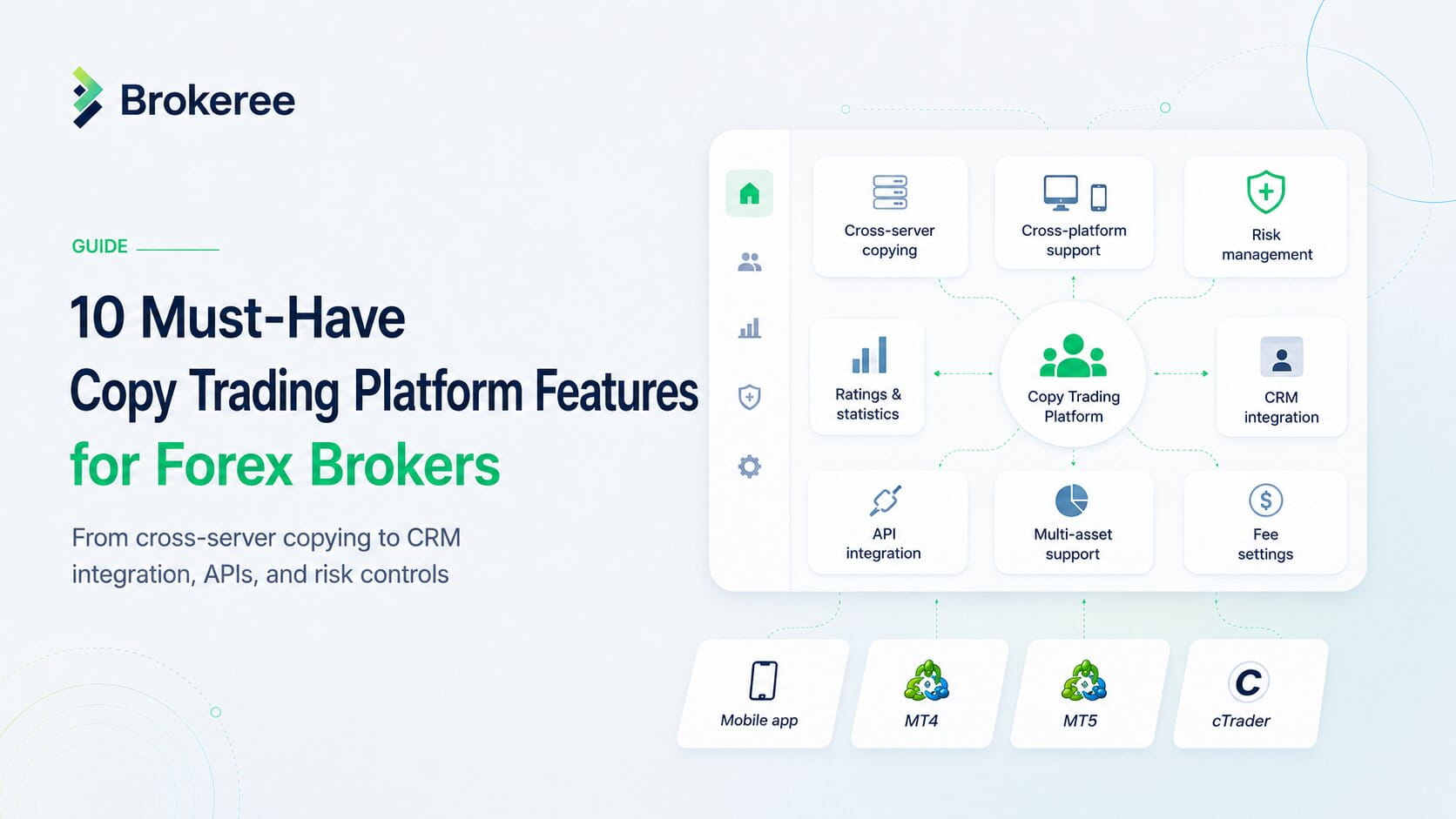
The Trade Copier plugin facilitates real-time monitoring of client positions, allowing brokers to assess the consequences of increased margin requirements and make informed decisions regarding hedging or risk management. It enables brokers to aggregate open positions on specific symbols and obtain a comprehensive overview of clients’ exposure.
These MT5 plugins provide brokers with the necessary tools to effectively manage market risk, optimize processes, and protect clients’ funds during volatile market conditions. By leveraging these automated solutions, brokers can respond quickly and effectively to market uncertainties, ensuring a safer and more predictable trading environment for all parties involved.
Liquidity Risks
Insufficient liquidity poses significant risks to forex brokerage operations and can have detrimental effects on client satisfaction. When liquidity is inadequate, brokers may encounter challenges in filling client orders promptly and at desired prices. This can result in slippage, where orders are executed at prices less favorable than expected, leading to potential losses for clients. Moreover, insufficient liquidity can lead to order rejections, where brokers are unable to execute trades due to a lack of available liquidity. This can frustrate clients and erode their confidence in the brokerage’s ability to meet their trading needs. To mitigate these risks, brokerages must establish robust liquidity management strategies, including leveraging advanced tools like Brokeree Solutions’ Liquidity Bridge, which ensures efficient order routing and aggregation across multiple liquidity providers.
Operational Risk and Forex Risk
Operational risk encompasses a wide range of internal risks that brokerages must address to ensure smooth functioning and uninterrupted service delivery. The operational risks faced by Forex brokerages include:
1. Technology Risk: In the digital age, Forex brokerages rely heavily on technology for trading platforms, execution systems, and data management. System failures, cyberattacks, and technological disruptions can severely impact operations and compromise client data security.
Explore the full list of turnkey technological solutions for brokers.
2. Compliance and Regulatory Risk: Brokerages operate within a complex web of regulatory frameworks and compliance requirements. Non-compliance can result in penalties, legal actions, and reputational damage.
For example, the Autorité des marchés financiers (AMF), the regulatory authority in France, implements special margin requirements aimed at safeguarding traders from high-risk trading strategies. To comply with these requirements, brokers are required to collect stop-loss levels from traders before opening a position. Meeting this restriction often necessitates additional software.
Custom Margin, a specialized plugin, proves valuable in assisting brokers to fulfill these requirements. This plugin modifies the default margin calculation for specific accounts or groups, aligning it with the maximum potential loss for each trade. By implementing Custom Margin, brokers can ensure compliance with the AMF’s regulations while providing traders with a secure trading environment.
3. Human Error: Operational risks often stem from human errors, including trading mistakes, data entry errors, or negligence in following established procedures.
There are special solutions like the Restricted Managers plugin that provides brokers with the capability to restrict trading activity for MT4 managers. The Restricted Managers automatically rejects new order requests or modifications made through the MT4 Manager Terminal or MT4 Manager API, allowing brokers to exercise control over trading activities and ensure compliance with their defined trading guidelines.
Navigating the Forex brokerage industry comes with inherent risks, and the ability to effectively manage and mitigate these risks is crucial for success. By understanding the diverse types of risks faced by Forex brokerages and implementing appropriate risk management strategies, such as hedging currency risk, bolstering operational resilience, and adhering to regulatory compliance, brokerages can enhance their competitive advantage, protect their reputation, and ensure a secure future in the dynamic world of Forex trading. Diligence in risk assessment, proactive risk mitigation, and continuous monitoring are the pillars of a robust risk management framework that can help Forex brokerages thrive in an ever-changing landscape.