In the dynamic world of financial markets, brokerages play a crucial role as intermediaries between traders and liquidity providers. As market volatility and regulatory complexities increase, brokerages face growing challenges in managing risks and ensuring stable operations. This is where hedging comes into the picture. In this article, we will explore why brokerages need to hedge, the benefits of adopting a hybrid execution model, and shed light on the mechanics of Liquidity Bridge.
Why do Brokerages Need Hedging?
Brokerages operate in a highly competitive and volatile environment where market movements can lead to significant financial risks. Hedging provides a strategic framework to manage these risks, safeguard client positions, and enhance profitability.
By hedging their positions, brokerages can offset potential losses caused by adverse market movements. This ensures that sudden market fluctuations do not erode their capital and enables them to maintain stability in their operations.
The Hybrid Execution Model
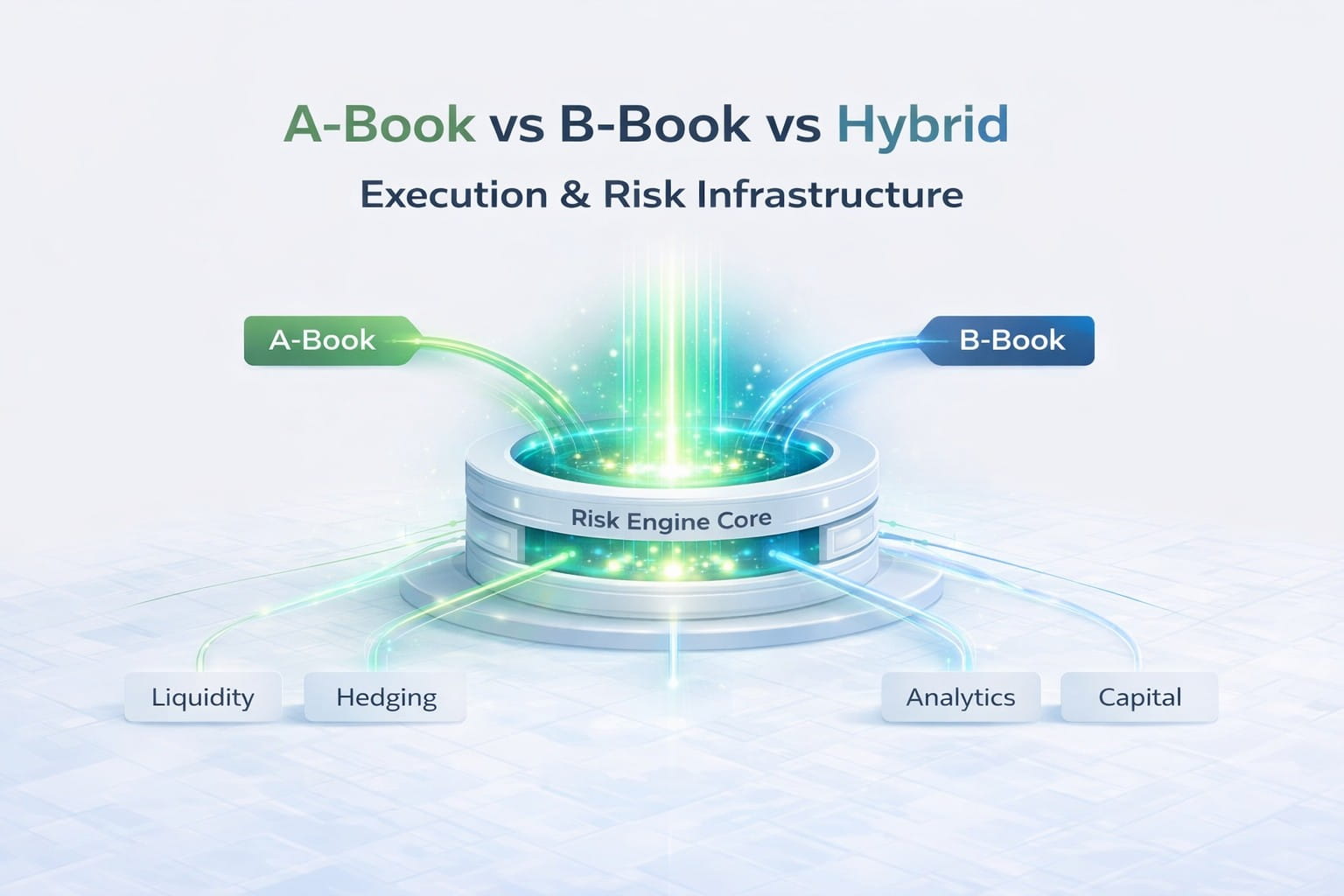
To optimize hedging strategies, brokerages often adopt a hybrid execution model. This model combines two types of execution methods, namely A-Book and B-Book, to strike a balance between risk management and revenue generation.
A-Book Execution
In the A-Book model, brokerage positions are directly routed to liquidity providers or the market. This execution method is suitable for high-quality traders who execute trades that can be directly offset with liquidity providers. A-Book execution minimizes the broker’s risk exposure by transferring trades to external liquidity sources.
B-Book Execution
In the B-Book model, brokerages executes all risks in house and act as counterparties to their clients’ trades. This model is cheap and efficient, but has its own drawbacks. The brokerage takes on the risk of client positions, therefore one of the source of profits for brokerage are traders loses.
By combining these execution models, brokerages can strike a balance between risk management and revenue generation. The hybrid execution model allows brokerages to cater to a wide range of traders while effectively managing their overall risk exposure.
Finetune hybrid execution with Liquidity Bridge
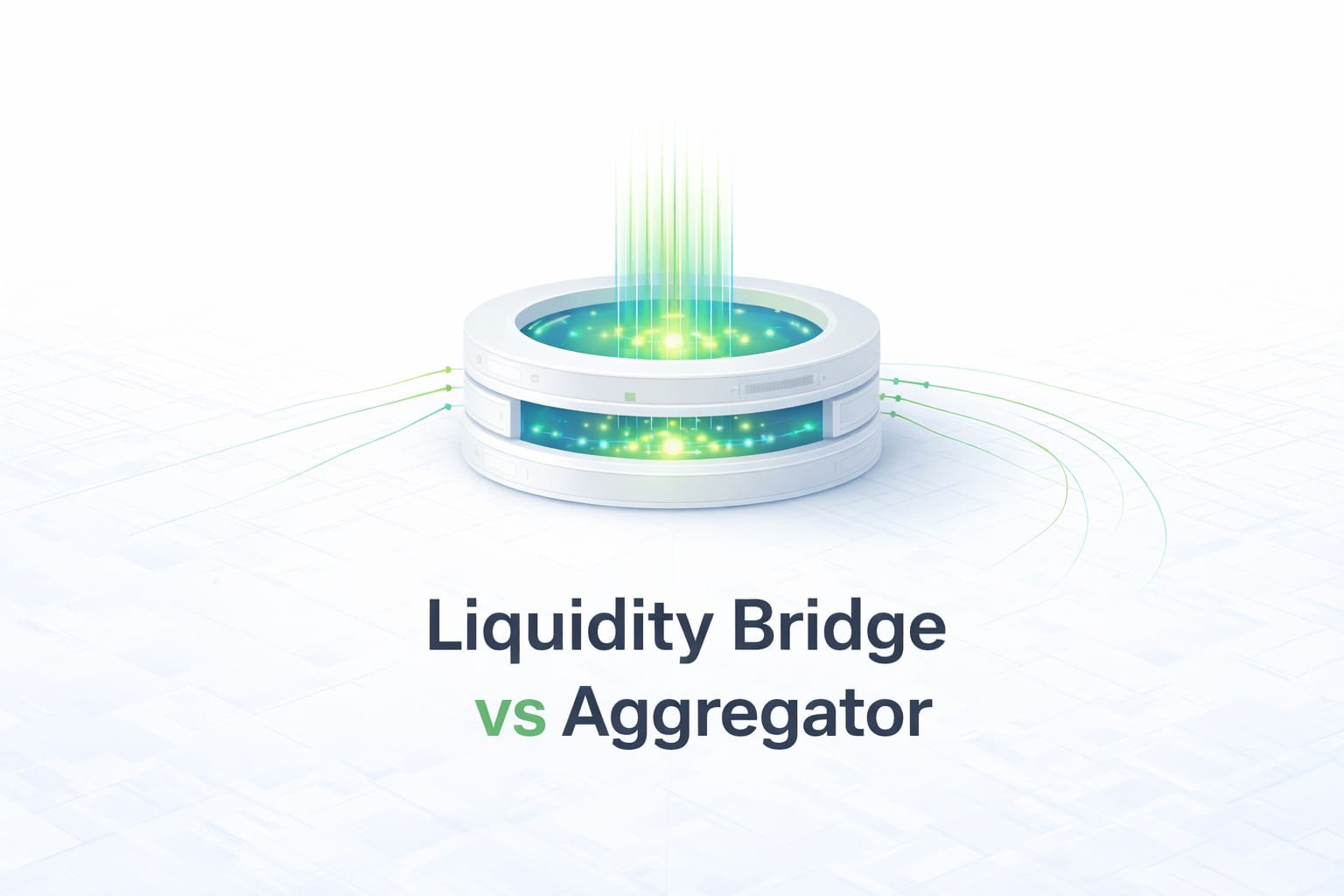
In the context of hedging, understanding the mechanics of a Liquidity Bridge is essential. A Liquidity Bridge is a technology solution that connects brokerages to multiple liquidity providers, enabling efficient execution and risk management.
Aggregation of Liquidity
Liquidity Bridge aggregates liquidity from multiple sources. This consolidation ensures competitive pricing, depth of market, and reliable execution for brokerages and their clients.
Real-time Risk Management
Liquidity Bridge solution incorporate in-build risk management tools and may help brokers to avoid collapses in case of live trading servers crashes. Theese tools also enable brokerages to proactively manage risks and hedge brokerage positions.
Flexible Order Routing
Liquidity Bridge allows brokerages to customize order routing rules based on predefined parameters. These rules can be tailored to prioritize specific liquidity providers, execute specific order types, or optimize price slippage to maximize profitability.
Reporting and Analytics
Liquidity Bridge platforms provide reporting and analytics capabilities. Brokerages can access trade execution statistics and reports. This enables data-driven decision-making and enhances transparency.
In the ever-evolving landscape of financial markets, hedging has become a crucial tool for brokerages to manage risks and maximize profitability. By embracing hedging strategies, adopting a hybrid execution model, and leveraging advanced technologies like Liquidity Bridge, brokerages can navigate market uncertainties with confidence. Successful implementation of hedging practices not only ensures the stability of operations but also fosters trust among clients and strengthens the broker’s position in the industry. As brokerages strive to stay ahead in a competitive environment, hedging emerges as a fundamental pillar for sustainable growth and long-term success.