Launching a successful hedge fund today requires a keen understanding of the market, regulatory frameworks, and strategic decision-making. While the allure of managing significant assets and achieving substantial returns can be enticing, the journey from conceptualization to a fully operational hedge fund demands careful planning and execution. In this article, we will delve into the key aspects that aspiring financial entrepreneurs must consider when embarking on the path to launching a hedge fund, exploring crucial factors such as fund structuring, regulatory compliance, investor relations, and operational infrastructure.
How to launch a hedge fund and be successful – that’s what we are exploring in this article.
Fund Structuring: A Solid Foundation of Hedge Fund
One of the fundamental elements to launch a hedge fund is designing an appropriate fund structure that aligns with the investment strategy and provides a solid foundation for future growth. Determining the legal structure, such as a limited partnership or a limited liability company, is essential to define the relationship between the fund manager and the investors. This choice often depends on factors like taxation implications, liability protection, and the target investor base. Additionally, setting up the fund’s investment vehicle, which can involve various types of entities, such as master-feeder structures or standalone funds, must be carefully considered based on the specific needs and objectives of the fund.
Regulatory Compliance: Navigating the Complexities
Navigating the regulatory landscape is a critical aspect of launching a hedge fund. Compliance with relevant financial regulations and registering with the appropriate regulatory bodies is vital to ensure transparency, legitimacy, and investor trust. Depending on the jurisdiction, hedge funds are subject to varying degrees of oversight and reporting requirements. Engaging legal counsel experienced in hedge fund regulation can help ensure adherence to local and international regulations, including Anti-Money Laundering (AML) and Know Your Customer (KYC) procedures, as well as compliance with market-specific rules and regulations.
Investor Relations: Cultivating Trust and Attracting Capital
Establishing strong investor relations is paramount for a hedge fund’s success. Building trust and maintaining open lines of communication with potential and existing investors is crucial in attracting and retaining capital. Crafting a compelling investment story and articulating the fund’s unique value proposition is essential during the fundraising process. An effective marketing strategy, including investor presentations, pitch decks, and a well-designed website, can enhance the fund’s visibility and credibility. Moreover, maintaining transparent reporting practices and providing timely and accurate performance updates are essential for fostering long-term relationships with investors.
One of the most efficient technologies to automate the distribution of gained profits and generate reports for investors is Brokeree PAMM. The solution provides users with shared accounts run by money managers. All gained profits are automatically distributed among investors in proportion to their contribution. The technology is also supplied with the risk-management functionality to safely withdraw investors’ money: PAMM will notify the money manager about the withdrawal and proportionally close open positions after the specified time.
Operational Infrastructure: Efficiency and Risk Management
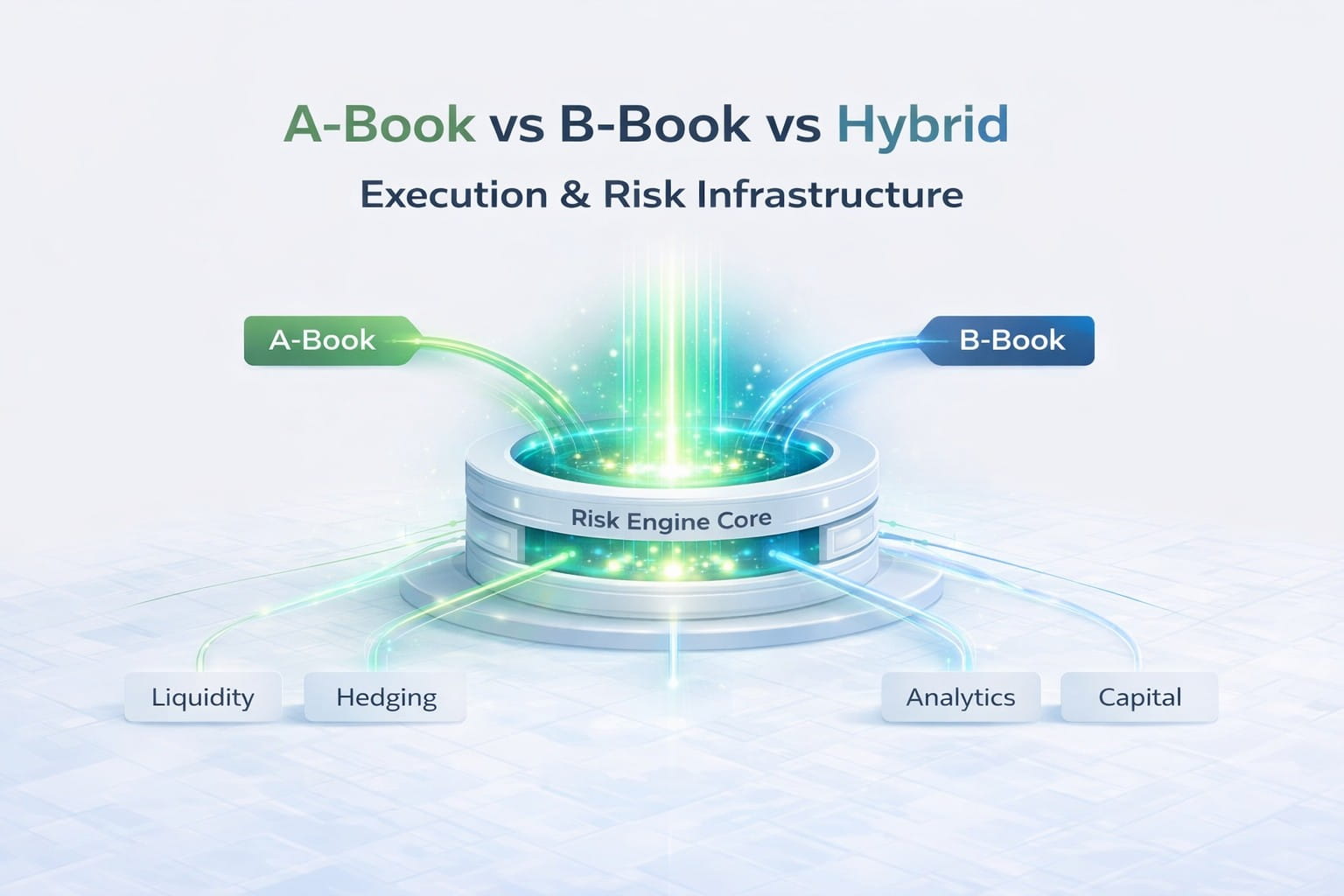
Creating a robust operational infrastructure is key to ensuring the smooth functioning of a hedge fund. Implementing reliable systems for portfolio management, trade execution, risk management, and compliance is crucial to monitor and optimize investment performance while adhering to regulatory requirements. Selecting appropriate technology platforms, such as comprehensive order management systems and risk analytics tools, can streamline operations and enhance efficiency. In addition, establishing strong internal controls, including effective cybersecurity measures and disaster recovery plans, is imperative to safeguard investor assets and protect sensitive data.
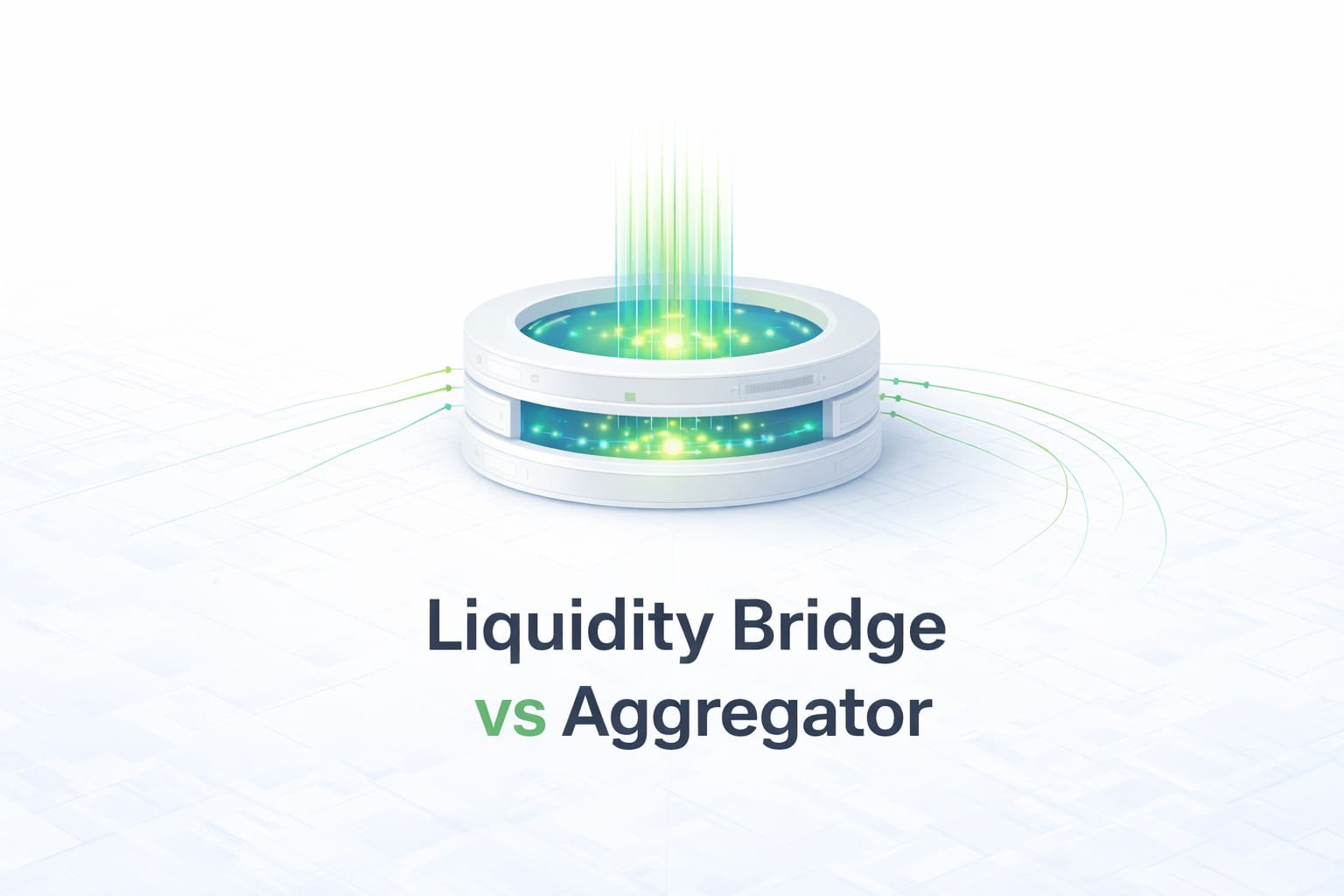
There are some technologies that help brokers to utilize big amounts of liquidity while launching a hedge fund:
Liquidity Bridge – the solution connecting multiple liquidity providers to trading platforms with smart aggregation and depth of market feature;
MT5 Gateways – tools to connect MetaTrader 5 platform to various liquidity sources and execution venues;
Exposure Manager – a risk management tool that allows brokers to monitor and control the exposure of MetaTrader accounts.
Conclusion
Launching a hedge fund demands a meticulous approach and a comprehensive understanding of the various facets involved. By carefully considering aspects such as fund structuring, regulatory compliance, investor relations, and operational infrastructure, financial entrepreneurs can lay a solid foundation for success. The journey may be challenging, but with the right expertise, dedication, and a robust strategy, aspiring hedge fund managers can position themselves for growth, profitability, and the ability to navigate the ever-evolving financial landscape.