Forex trading platforms स्वभाव से तेज़ होती हैं, लेकिन अधिकांश ट्रेडर्स यह नहीं देखते कि पर्दे के पीछे कितना संतुलन बनाया जा रहा है। ब्रोकरों के लिए, प्रत्येक लगाए गए ट्रेड का अर्थ है real-time निर्णय: क्या हम इसे बाज़ार में route करें, इसे in-house absorb करें, या flow को split करें?
यहीं पर फॉरेक्स ब्रोकरों के लिए liquidity management काम आता है, और यहीं चीज़ें जटिल हो जाती हैं।
जब trading volumes बढ़ते हैं, तो जोखिम भी बढ़ते हैं
Bank for International Settlements के अनुसार, वैश्विक Forex trading volume 2022 में आश्चर्यजनक $7.5 trillion प्रतिदिन तक पहुँच गया। इससे पता चलता है कि दुनिया भर के ब्रोकर पहले से कहीं अधिक trades, तेज़ executions और उच्च risk संभाल रहे हैं। यह high-speed, high-pressure environment है, जहाँ milliseconds मायने रखते हैं।
अब कल्पना करें कि कोई client NFP दिन पर EUR/USD में high-volume trade लगाता है। Price spike करता है, spreads widen होते हैं, और liquidity providers तेज़ी से प्रतिक्रिया देने की कोशिश करते हैं। यदि आप basic system के साथ काम करने वाले broker हैं, या उससे भी खराब, single LP पर निर्भर हैं, तो आप अचानक vulnerable हो जाते हैं। Slippage, order rejections और यहाँ तक कि server overloads भी बहुत वास्तविक समस्याएँ बन जाते हैं।
और यदि आप इसे कई platforms पर सैकड़ों clients तक multiply करें, तो यही operational pressure है जिसका brokers सामना करते हैं। सबसे खराब बात यह है कि वास्तविक नुकसान अक्सर बाद में दिखाई देता है: angry client emails, public complaints और account withdrawals तक। NFP जैसे high-impact event के दौरान एक खराब execution experience chain reaction शुरू कर सकता है, विशेषकर यदि broker के पास liquidity aggregating या exposure को dynamically manage करने का system नहीं है।
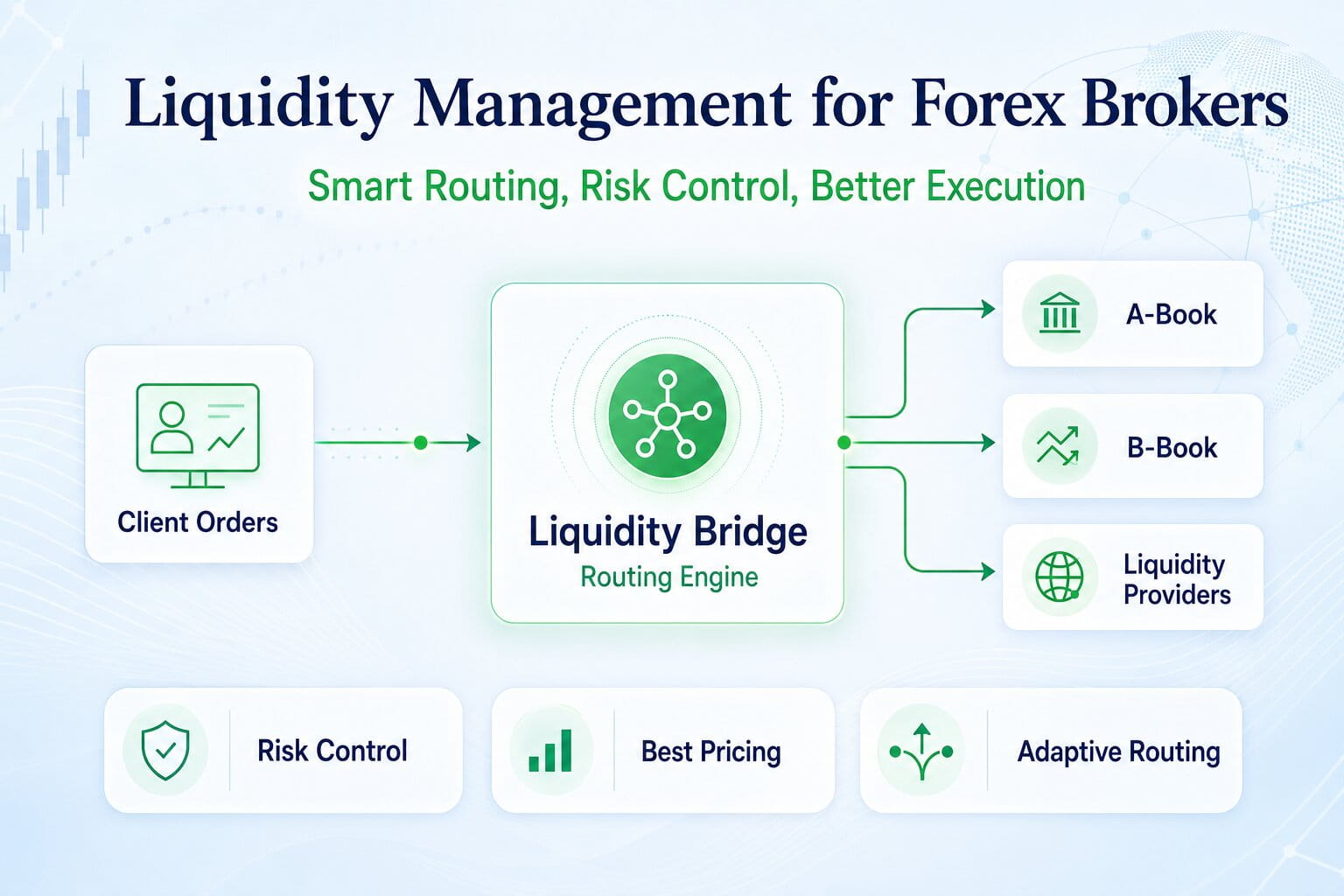
इसीलिए proper forex broker liquidity management अत्यंत महत्वपूर्ण है। और Brokeree’s MT4/MT5 Liquidity Bridge plugin जैसा solution brokers को इन pressure points को handle करने में मदद कर सकता है। कई liquidity providers से quotes aggregate करके, bridge market volatile होने पर भी best available pricing सुनिश्चित करता है। यह MetaTrader liquidity solution outdated या frozen quotes को तुरंत discard कर सकता है, जिससे clean pricing streams बनी रहती हैं।
Smart brokers क्या अलग करते हैं
Smart brokers जानते हैं कि market कितना भी stable क्यों न लगे, volatility बस एक headline दूर होती है। वे technology का उपयोग करके इस uncertainty के आसपास अपनी व्यवस्था बनाते हैं। उन्हें real-time, rule-based routing control मिलता है, जो market shifts और trader behavior के अनुसार adjust होता है।
Brokeree’s Liquidity Bridge इसी flexibility को केंद्र में रखकर design किया गया है। Brokers अलग-अलग account groups के लिए execution conditions सेट कर सकते हैं, fallback LPs define कर सकते हैं और symbol, time of day या trading volume के आधार पर trades का flow automate कर सकते हैं।
उदाहरण के लिए, मान लें कि accounts का एक cluster GBP/USD और Gold को aggressively trade करना शुरू करता है। ऐसे में bridge volume uptick detect कर सकता है, execution को best depth वाले LPs की ओर reroute कर सकता है, और risk exposure को isolate कर सकता है — बिना किसी manual intervention के। साथ ही, कम सक्रिय या उच्च-जोखिम वाले traders को in-house handle किया जा सकता है, और primary sources falter होने पर backup synthetic feeds activate किए जा सकते हैं।
इस structure के साथ, brokers पूरी तरह adaptive execution strategy चला सकते हैं, जो किसी भी manual desk से तेज़ प्रतिक्रिया देती है।
सिर्फ़ A-Book vs B-Book नहीं — दोनों
Brokeree’s Liquidity Bridge की सबसे powerful features में से एक है hybrid execution models का support।
Brokers trading patterns, deposit size और यहाँ तक कि historical performance के आधार पर groups define करते हैं। उदाहरण के लिए, large volumes trade करने वाले profitable clients को market execution के लिए automatically external LPs तक route किया जा सकता है। उसी समय, erratic behavior वाले clients या low-volume, high-risk strategies trade करने वाले clients को internal रखा जा सकता है।
और क्योंकि bridge सभी MetaTrader servers (MT4 और MT5) और cTrader पर काम करता है, यह brokers को अपनी पूरी infrastructure में यह hybrid logic unify करने देता है। इसका मतलब है rules की duplication नहीं, execution gaps नहीं, और बहुत clean risk profile।
Liquidity Bridge का उपयोग करने वाले brokers routing rules को real time में update कर सकते हैं, post-execution performance analyze कर सकते हैं, और platform downtime के बिना changes कर सकते हैं। यही तरीका है जिससे वे rigid execution paths से fully responsive models की ओर बढ़ते हैं, जो performance और sustainability के आसपास बनाए जाते हैं।
यह भी पढ़ें: A-Book vs B-Book में क्या अंतर है
Bridge से आगे: brokers और क्या कर सकते हैं?
Brokeree’s Liquidity Bridge strong execution और risk control की foundation रखता है। लेकिन जो brokers वास्तव में अपने peers से बेहतर प्रदर्शन करते हैं, वे platform को broader operational intelligence के आधार के रूप में उपयोग करते हैं। यहाँ बताया गया है कैसे:
1. Liquidity providers को benchmark और rotate करें
हालाँकि Brokeree कई LPs के साथ straightforward integration की अनुमति देता है, brokers एक कदम आगे जाकर प्रत्येक provider की performance, fill speed, slippage rates और quote consistency को लगातार benchmark कर सकते हैं। यह data bridge के reporting module के माध्यम से पहले से accessible है। सबसे smart brokers इसे underperforming LPs को replace करने और top performers के साथ बेहतर terms negotiate करने के लिए उपयोग करते हैं।
2. Dynamic trader segments बनाएँ
Brokeree fixed rules के आधार पर client group segmentation support करता है। हालाँकि, proactive brokers इन groups को नियमित रूप से refresh करते हैं। समय के साथ trading behavior analyze करके — कौन scalping कर रहा है, कौन hedging कर रहा है, कौन consistently profiting कर रहा है — वे routing logic refine करते हैं। वे client behavior evolve होने के साथ groups adapt करते हैं।
3. Time-dependent routing adjustments
Liquidity पूरे दिन बदलती रहती है। Asian session के दौरान कुछ instruments पर spreads tighter होते हैं, जबकि अन्य US hours में volatile हो जाते हैं। Brokeree की scheduling capabilities का उपयोग करके, brokers ऐसे routing behaviors define कर सकते हैं जो time block के अनुसार adjust होते हैं, जिससे session की परवाह किए बिना optimal execution सुनिश्चित होती है।
4. Synthetic feeds के साथ failover protocols बनाएँ
Brokeree का synthetic feed MT4/MT5 feature केवल backup नहीं है — यह एक opportunity है। Brokers custom market conditions simulate कर सकते हैं, LP feeds mirror कर सकते हैं या disruptions के दौरान trading continuity बनाए रख सकते हैं। Synthetic feeds का उपयोग करके failover plans सेट करने से operations जारी रह सकते हैं, भले ही key LP offline हो जाए।
5. Strategic decisions के लिए reporting का उपयोग करें
Brokeree का bridge trading platform और market के बीच बैठता है, इसलिए यह rich execution data capture करता है। Brokers इस reporting का उपयोग केवल compliance के लिए नहीं, बल्कि business strategy के लिए भी करते हैं। वे track करते हैं कि कौन-से trader groups सबसे अधिक profitable हैं, किन symbols में सबसे अधिक slippage होता है, और execution कब degrade होना शुरू होता है — फिर वे उस पर action लेते हैं।
अंतिम विचार
Liquidity Bridge केवल एक tool नहीं है, बल्कि control का framework है। और Brokeree के साथ, यह control गहराई तक चलता है: platforms, execution models, LPs और client profiles तक। लेकिन brokers इस control के ऊपर क्या बनाते हैं — वे कैसे adapt, fine-tune और evolve करते हैं — वही उन्हें वास्तव में अलग बनाता है।
क्योंकि आज की Forex दुनिया में, technology playing field को level करती है। लेकिन game strategy जीतती है।