21 April, 2026
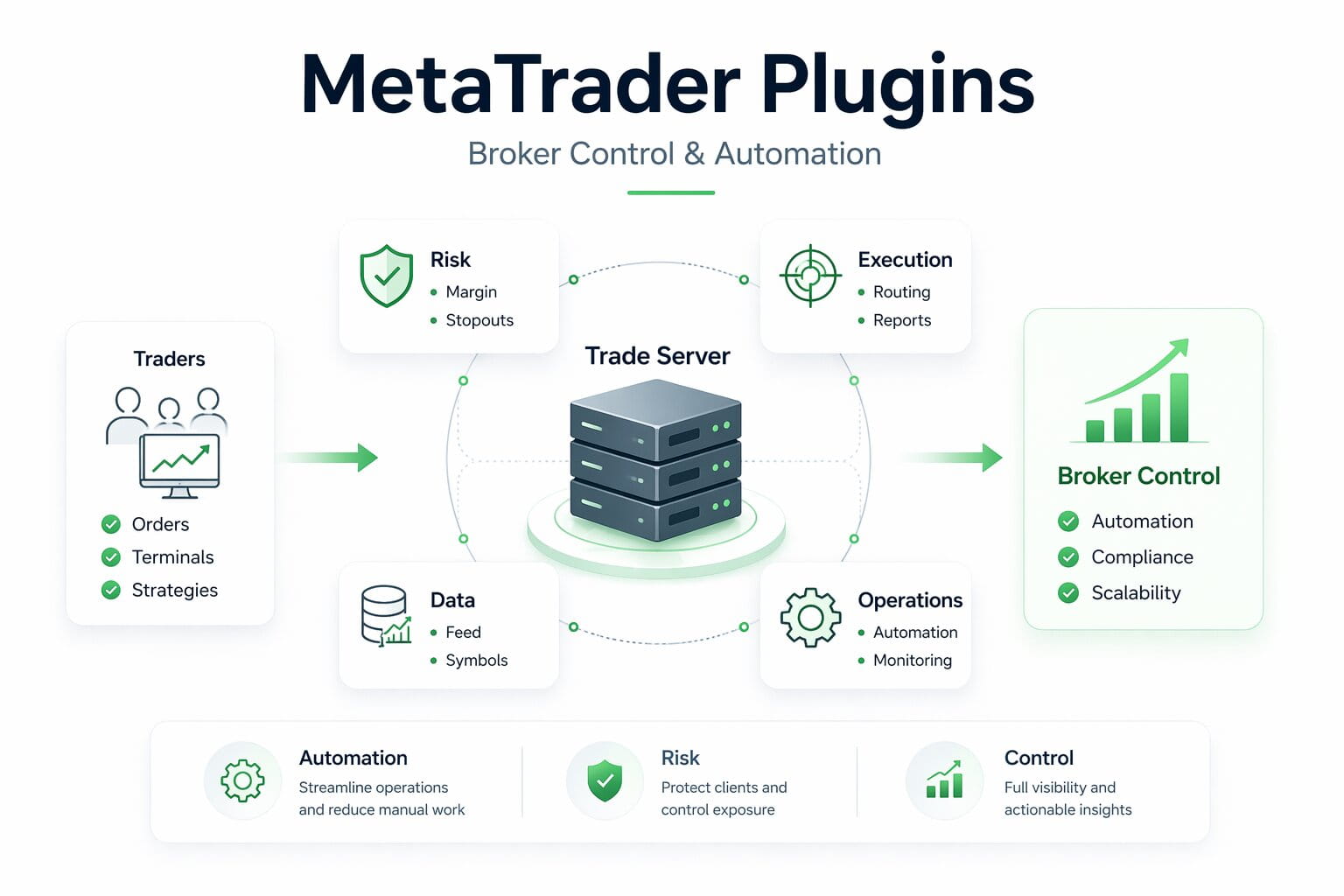
Best MetaTrader (MT4/MT5) Plugins for Forex Brokers in 2026
MetaTrader plugins are server-side tools that extend the functionality of MT4 and MT5. They help manage how margin is calculated, credits are managed, risk is monitored, and execution behaves across every account on your server. Without them, many advanced brokerage operations would need to be handled manually, increasing the risk of errors, operational overhead, and...
Read more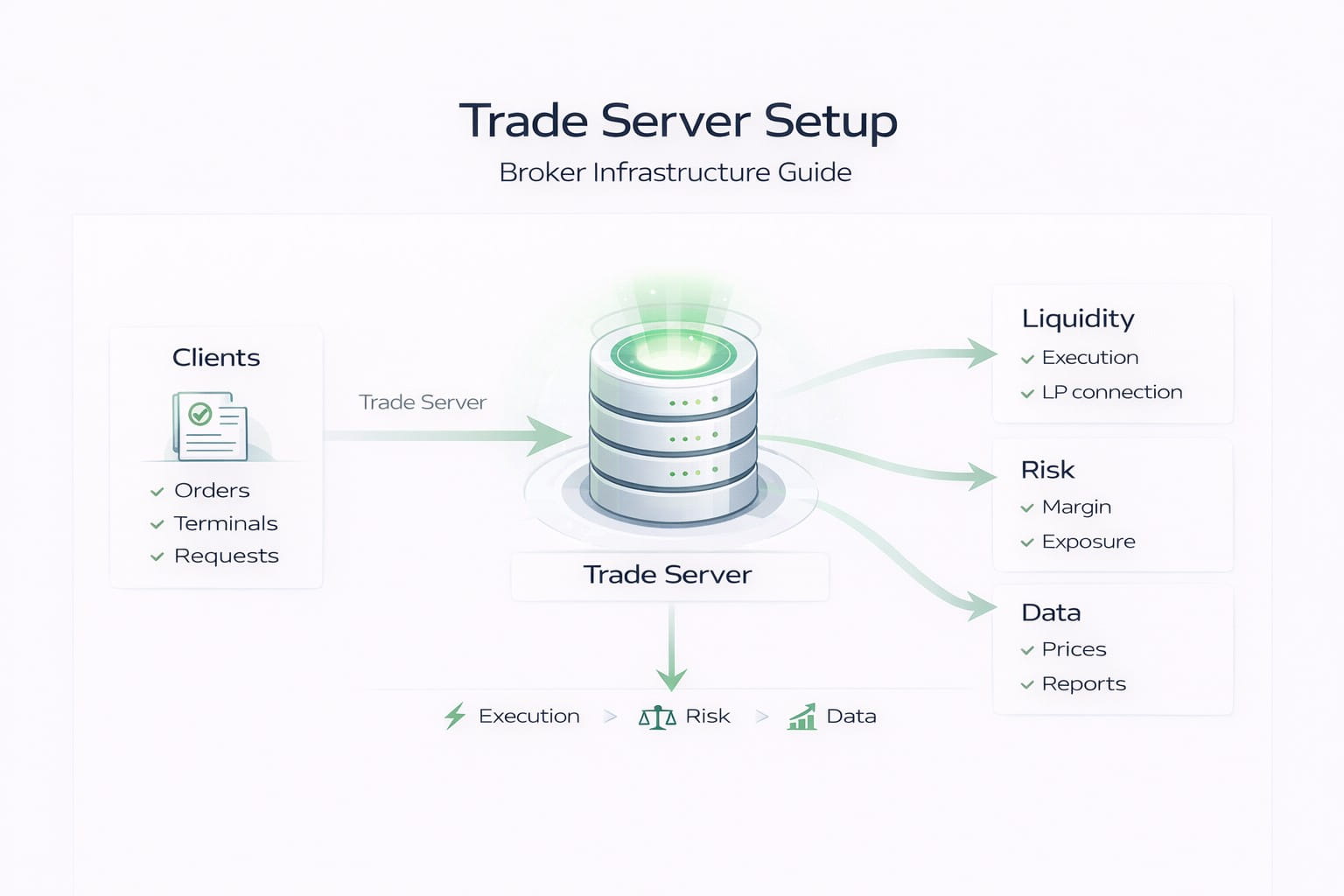
8 April, 2026
How to Set Up a New Trader Server: A Complete Guide for Brokers
Your trade server is the backbone of your brokerage. Every order your clients place, every price feed they see, and every position that gets executed flows through it. If it’s misconfigured or slow, your clients feel it through slippage, rejected orders, and downtime. This guide covers what a trade server is, why it matters, how...
Read more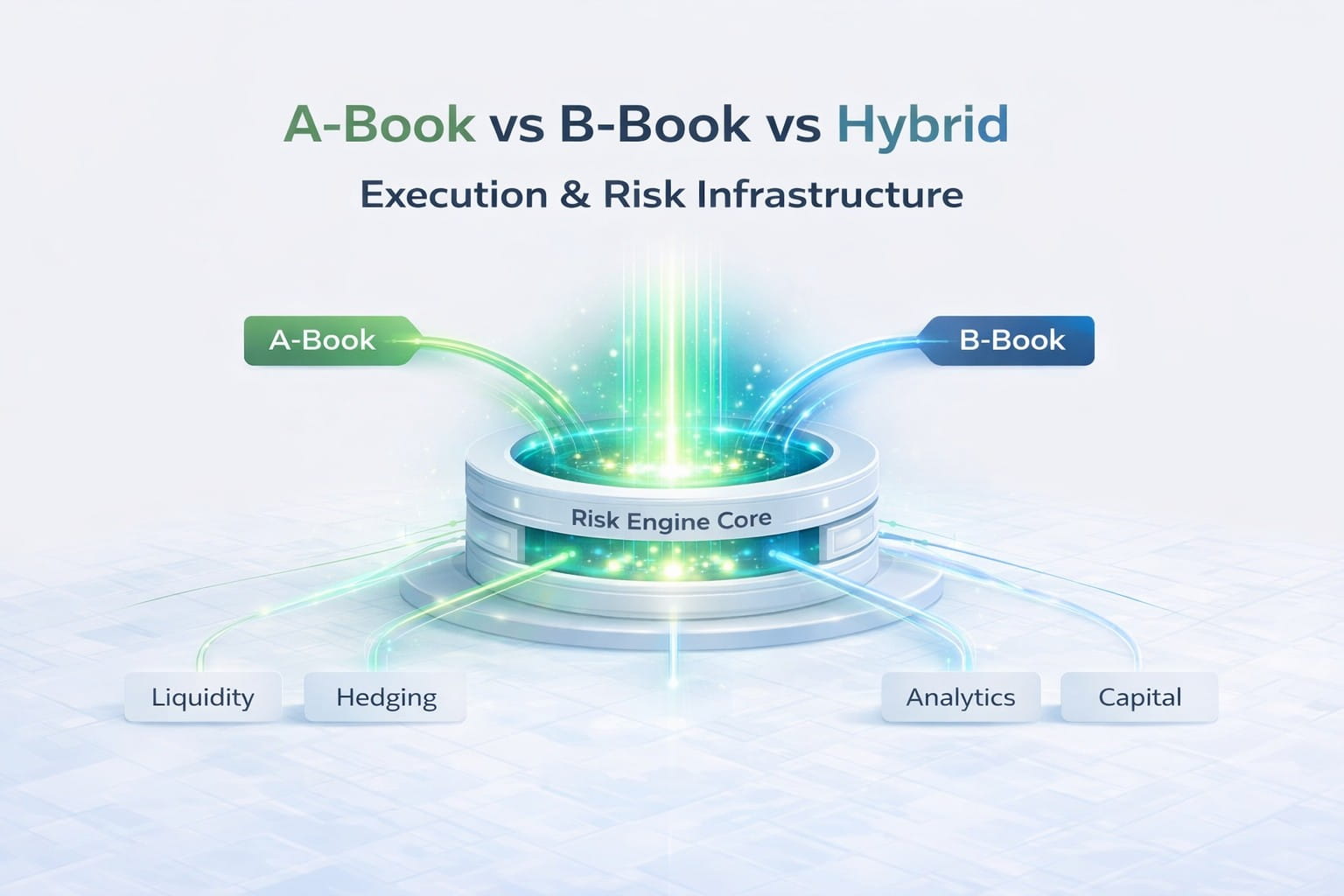
3 March, 2026
How Forex Brokers Manage Risk: A-Book, B-Book, and Hybrid Models Explained
TL;DR Forex brokers manage risk using three primary execution models: A-Book (Agency Model): Client trades are passed to liquidity providers. Brokers earn commissions or spread markups and carry minimal market risk. B-Book (Market Maker Model): Brokers internalize client trades and take the opposite side of positions. Here, brokers generate revenue through spreads and net internalized...
Read more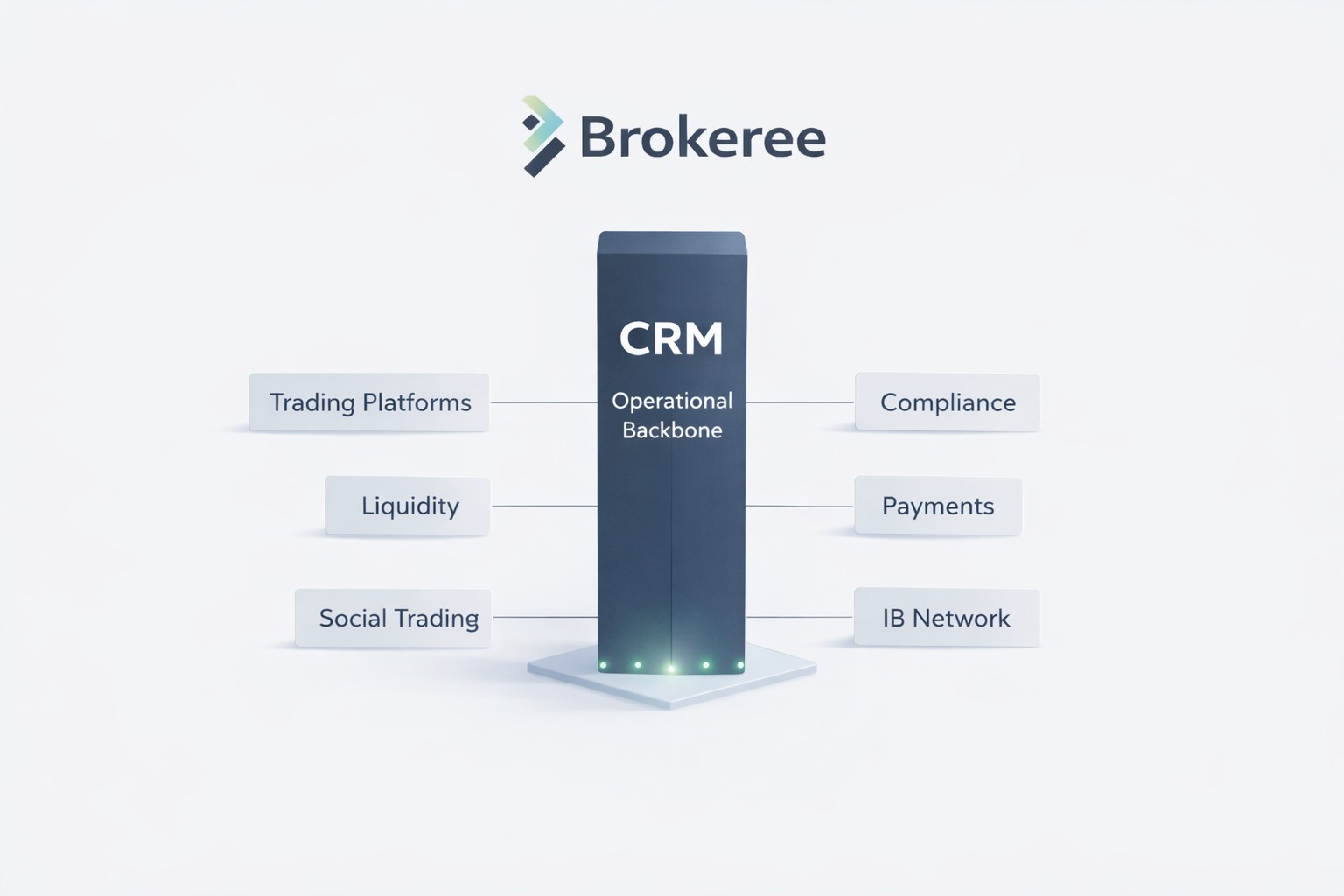
12 February, 2026
CRM for Forex Brokers: Why It Matters and What Features to Look For
TL;DR: A CRM for forex brokers is the operational backbone of your brokerage. It orchestrates workflows and synchronises data from trading platforms, compliance systems, payments, and IB networks. Unlike generic CRMs, a forex brokerage CRM system focuses on your platform’s regulation, automation, platform integration, and trading data. When choosing the right CRM, focus on infrastructure...
Read more